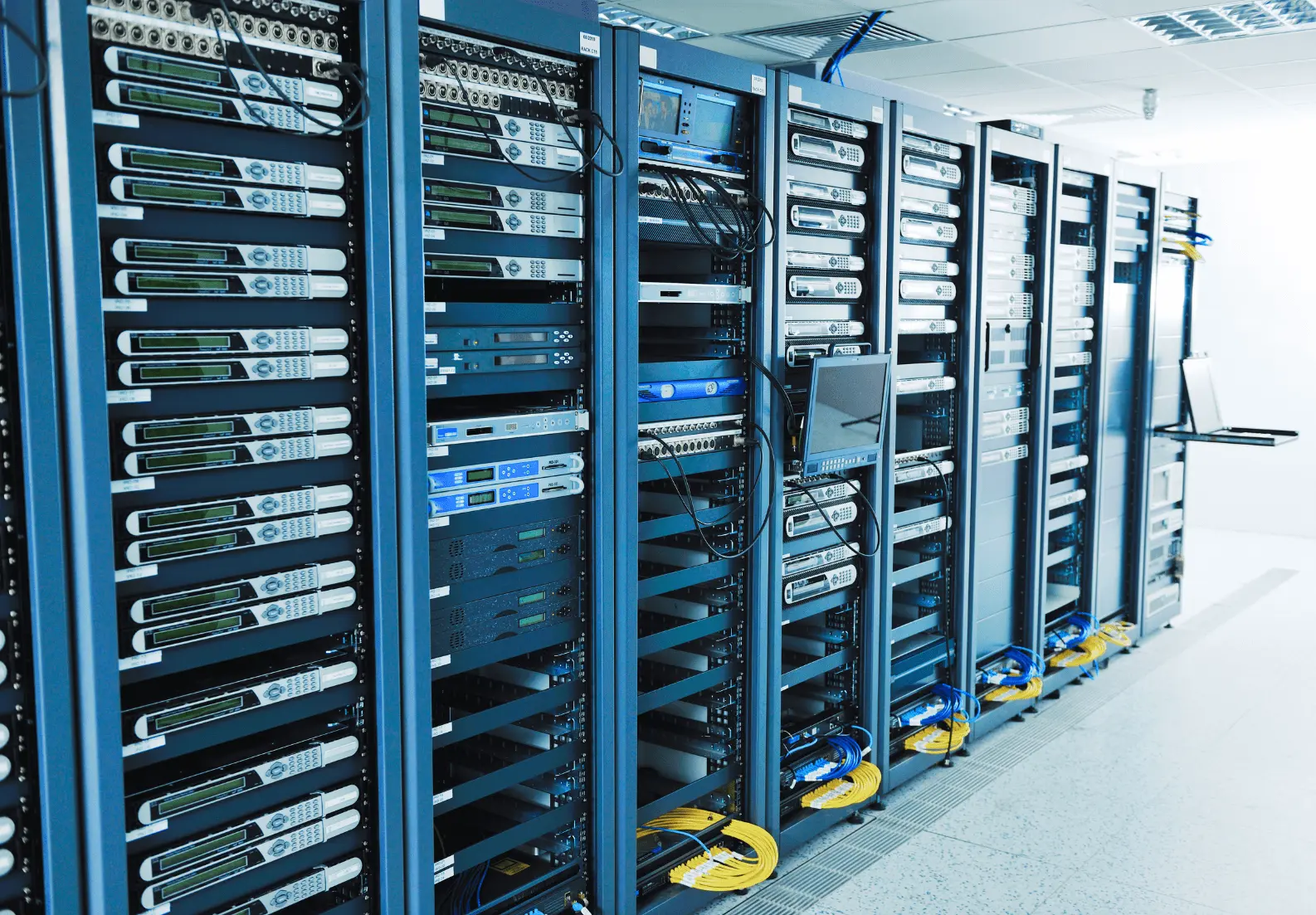
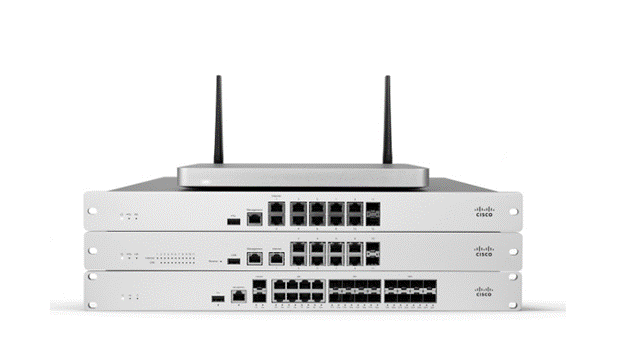
In today’s hyperconnected world, a reliable and secure network infrastructure is vital for maintaining business continuity, ensuring seamless communication, and supporting growth. Whether a small enterprise or a large corporation, building resilience into your network can help weather unexpected challenges like sudden traffic spikes, hardware failures, cyber-attacks, and natural disasters by following best practices and leveraging the right tools to create a network environment that is both adaptable and robust.
1. Start with a Strong Architectural Foundation
A resilient network begins with careful planning and adopting a layered approach, where each layer core, distribution, and access are designed with redundancy and fault tolerance. This modular structure simplifies maintenance and upgrades and ensures failures in one segment don’t cascade throughout the entire network. Implementing redundancy for critical links and devices helps maintain service availability even if primary systems go offline and ensures employees and customers stay connected.
2. Prioritize Security and Compliance from the Outset
Security is integral to resilience. Hardening networks with firewalls, intrusion prevention systems, and robust access control measures keep threats at bay. Encrypting data in transit and at rest, segmenting networks to isolate sensitive information, and maintaining strict user and device authentication policies ensure that your network can withstand targeted cyber-attacks. Compliance frameworks and regular security audits reinforce trust in your systems, helping you adhere to regulatory standards and protect valuable data assets.
3. Embrace Automation and Centralized Management
Manual configuration and troubleshooting can quickly become bottlenecks as networks scale. Automation tools and centralized management platforms streamline deployments, updates, and monitoring. Leveraging orchestration services, software-defined networking (SDN), and infrastructure as code (IaC) practices can reduce human error, speed up response times, and ensure consistent security and performance policies across all network devices and endpoints. This approach enhances agility, allowing you to adapt to shifting demands without costly Downtime or manual reconfigurations.

4. Invest in High-Quality Monitoring and Analytics
A proactive stance on performance and security starts with comprehensive visibility. Real-time monitoring tools and network analytics platforms help identify potential issues before they become critical, spot anomalies early, and intervene promptly by tracking bandwidth usage, latency, packet loss, and unusual traffic patterns. Integrating alerts, dashboards, and historical reporting allows IT teams to gain actionable insights, fine-tune resource allocation, and continuously improve the network’s reliability and resilience.
5. Implement Scalable and Flexible Solutions
As businesses evolve, so do networking requirements. Ensuring your infrastructure can quickly scale up or down is critical. Consider cloud-based solutions and virtualized network functions (VNF) that adapt to changing needs without requiring significant hardware investments. Partnering with service providers that offer flexible bandwidth and on-demand resources ensures that your network can accommodate spikes in traffic due to seasonal sales, product launches, or sudden market shifts without missing a beat.

6. Regular Testing, Drills, and Disaster Recovery Planning
Building resilience isn’t a one-time event; it’s an ongoing process. Regularly testing network components, simulating failover scenarios, and conducting disaster recovery drills ensure the IT team prepares to respond under pressure. Documenting procedures, maintaining up-to-date runbooks, and ensuring backups of configurations and critical data shorten recovery times. When unexpected incidents occur, well-rehearsed plans and a transparent chain of command help restore normal operations quickly and confidently.
7. Continuous Training and Skill Development
Even the most sophisticated tools and systems rely on skilled professionals to manage them. Providing ongoing training, certifications, and professional development opportunities for your network administrators and engineers ensures they remain familiar with the latest technologies, best practices, and emerging threats. A knowledgeable managed service provider is better equipped to prevent and mitigate downtime and can identify opportunities for improvement, innovation, and cost savings.

Conclusion
Building a resilient network infrastructure involves balancing robust architecture, security, intelligent automation, real-time visibility, and scalable solutions. By combining these best practices with top-tier tools, configuration management platforms, AI-driven analytics engines, or cloud-based virtualization solutions, your organization can create a network environment that thrives under pressure. In the long run, investing in resilience isn’t just about preventing downtime. It’s about ensuring the network can evolve alongside your business, supporting growth, innovation, and a consistently exceptional user experience.